Serving Southern Jefferson County in the Great State of Montana


Serving Southern Jefferson County in the Great State of Montana
Sorted by date Results 1 - 9 of 9

According to the Society for Women's Health Research, "Each day, approximately 6,000 women in the United States reach menopause – marked at one year since the last menstrual period." Thus, every woman will eventually go through this transition as she ages. Unfortunately, many women have suffered unnecessarily in silence due to stigma or insufficient research. The good news- times are changing! Key Points of Perimenopause & Menopause: Perimenopause is the transition leading up to menopause. It c...
The World Health Organization (WHO) defines a medication error as: “Any preventable event that causes or leads to inappropriate medication use or patient harm while the medication is under the control of a health professional, patient, or consumer.” And according to WHO, “Nearly 50% of preventable harm to patients globally is due to inappropriate use of medicines and other treatments.” One Simple Step: Bring your meds to every provider visit. Don’t Guess: Bring every medication. Your Medications Matter: Pack your meds before you go. Your medi...

According to the World Health Organization (WHO), "Outbreaks of vaccine-preventable diseases such as measles, meningitis, and yellow fever are rising globally, and diseases like diphtheria, that have long been held at bay or virtually disappeared in many countries, are at risk of re-emerging." However, we have many vaccines/immunizations available at our fingertips locally. Ways to Get Low or No Cost Immunizations: 1. Vaccines for Children Program (VFC). You can reach out to local clinics...

According to the National Recreation and Park Association, 93% of U.S. adults agree that both older adults and children can benefit from spending time together in organized programs like those offered by many park and recreation agencies. • The Power of Play: From playgrounds to programs to youth sports, play fuels creativity, joy and lifelong learning.... Local park and recreation agencies reach more than 40 million youth each year, with 92% offering youth sports programs that build skills, c...

Men, on average, are less likely to visit a doctor regularly and more likely to engage in risky behaviors. This month focuses on changing that by promoting healthier habits and routine checkups. KEY THEMES: • Preventive care: regular screenings (blood pressure, cholesterol, diabetes, cancer checks, sexually transmitted infections, vision, dental, hearing) and immunizations • Mental health: addressing stress, depression, and suicide risk • Physical activity: encouraging exercise and active lifes...
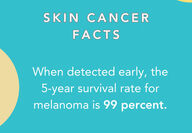
According to the American Academy of Dermatology Association, Skin cancer is the #1 most common cancer in the U.S., and about 1 in 5 Americans will develop skin cancer in their lifetime. Around 9,500 people are diagnosed every day. Annual burden: • 6.1 million people treated yearly for common non-melanoma types (BCC & SCC); • 112,000 new invasive melanoma cases expected in 2026, and • 8,500 melanoma deaths annually. Skin cancer awareness is about understanding how to prevent, detect, and treat...
According to a 2025 online poll, by the American Institute of Stress, 69% of U.S. adults say they needed more emotional support in the past year, and 76% say the nation’s future is a significant source of stress. Everyone experiences stress, but over time, stress can lead to health problems, such as digestive issues, headaches, changes in breathing, high blood pressure, joint pain, heart and kidney disease, reproductive issues, allergic reactions, etc. The good news is, there are simple steps in managing your stress, to prevent adverse h...

According to the American Cancer Society, about 108,860 new cases of colon cancer will be diagnosed this year (55,410 in men and 53,450 in women), and 55,230 people will die this year from colon cancer. However, the good news is that the number of people diagnosed with colon cancer has dropped, due to people getting screened. Colon cancer starts in the large intestine or rectum, often from small growths called polyps, and often does NOT have symptoms. Colon cancer is VERY preventable and HIGHLY...

According to the Centers for Disease Control (CDC), there are more than 13,000 cases of cervical cancer in the United States, and about 4,000 women die of this cancer per year. The cell changes that can lead to cervical cancer are caused by the Human Papillomavirus (HPV). Almost everyone who is sexually active will have HPV at some point. Most HPV infections are harmless, and the immune system will clear the HPV within a few months. However, some HPV infections don't clear naturally, and when...